

Bengal
The Bengal cat is a strikingly beautiful breed with a wild appearance derived from its ancestry — a cross between domestic cats and the Asian leopard cat. Known...
About the Bengal
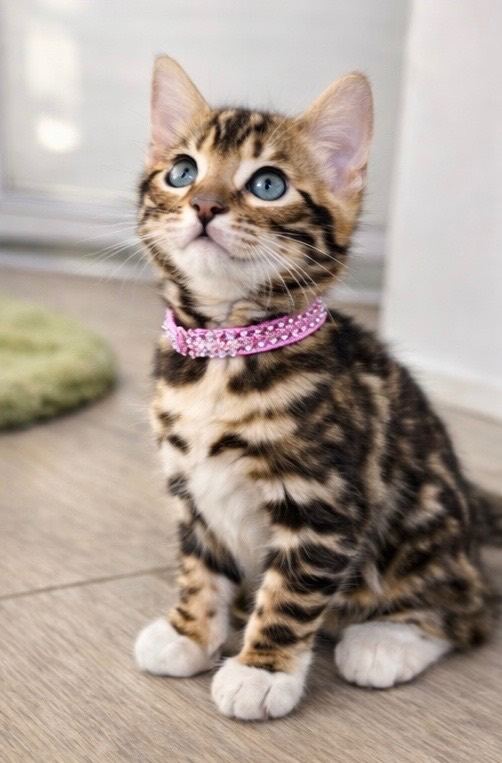
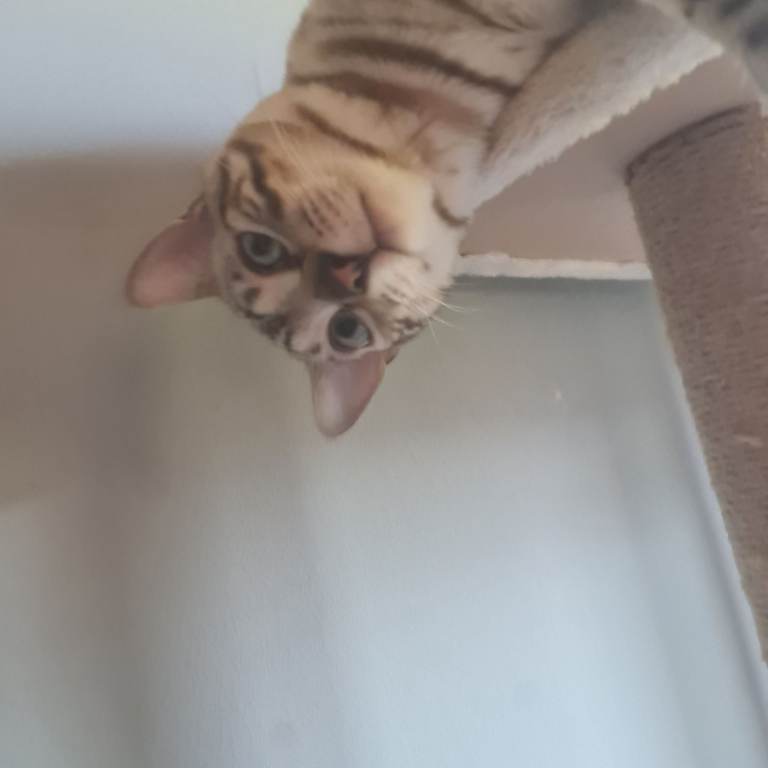
The Bengal cat is a strikingly beautiful breed with a wild appearance derived from its ancestry — a cross between domestic cats and the Asian leopard cat. Known for their distinctive spotted or marbled coat with a luxurious, glittery sheen, Bengals are active, intelligent, and playful companions. They are one of the most sought-after cat breeds in the UK.
Temperament
Bengals are highly active, intelligent, and curious. They are confident, social cats that form strong bonds with their owners. They are vocal and communicative, often 'chatting' with their humans. They have a strong prey drive and love climbing, jumping, and playing. They can be demanding of attention and are best suited to owners who can match their energy.
Exercise Needs
Bengals are among the most active domestic cat breeds and need substantial daily play and stimulation. Provide climbing trees, interactive toys, and puzzle feeders. Many Bengals enjoy playing fetch and some can be taught to walk on a lead. Without adequate stimulation, they can become destructive. At least 30-60 minutes of active play daily is recommended.
Grooming Requirements
Their short, dense coat is low-maintenance, requiring only weekly brushing to remove loose hair and distribute natural oils. They are generally fastidious self-groomers. Regular nail trimming and dental care complete their grooming needs. Some Bengals enjoy water and may play in sinks or bowls.
Common Health Issues
Bengals can be prone to hypertrophic cardiomyopathy (HCM), progressive retinal atrophy (PRA-b), patellar luxation, and hip dysplasia. Some may experience flat-chested kitten syndrome. Responsible breeders screen for HCM and PRA-b. They are generally a robust breed with good health when properly bred.
Care Guide
Provide an enriched environment with vertical space, scratching posts, and interactive toys. Bengal-proof your home as they are talented escape artists and climbers. Feed a high-protein diet reflecting their active metabolism. Consider a companion cat to keep them entertained. Regular play sessions prevent behavioural issues. Annual vet check-ups should include cardiac screening.
Buying a Bengal in the UK
When buying a Bengal kitten, ensure the breeder tests for hypertrophic cardiomyopathy (HCM via echocardiogram), progressive retinal atrophy (PRA-b DNA test), and pyruvate kinase deficiency (PK-Def DNA test). Bengals should be at least F4 generation (four generations from the Asian leopard cat ancestor) to be kept without a Dangerous Wild Animals licence in the UK. Visit the breeder to see the kittens in a clean, enriched environment. Ask about the kittens' socialisation — well-socialised Bengals are confident and friendly. Avoid breeders who keep cats in cages or cannot show you the mother.
Finding a Responsible Bengal Breeder
Responsible Bengal breeders screen for HCM (annual echocardiogram by a veterinary cardiologist), PRA-b (DNA test), and pyruvate kinase deficiency (PK-Def DNA test). They should be registered with GCCF or TICA and only sell kittens that are F4 or later generation. Ask about the temperament of the parents — Bengals should be confident and sociable, not fearful or aggressive. Good breeders provide an enriched environment with climbing opportunities and socialise kittens with household sounds, children, and other pets from an early age.
Cost of a Bengal in the UK
Bengal kittens from reputable breeders in the UK typically cost between £800.00 and £3,000.00. Prices vary based on breeder reputation, health testing, lineage, and location.
Beyond the initial purchase price, budget for ongoing costs including high-quality food, pet insurance, routine veterinary care, vaccinations, and grooming. Annual running costs for a Bengal typically range from £500 to £1,500 depending on individual needs.
Current Petzy market data: 6 Bengal kittens available with an average price of £1,112.00, ranging from £325.00 to £1,800.00.
Frequently Asked Questions
Are Bengal cats good pets?
Bengals make wonderful pets for active, engaged owners. They are intelligent, playful, and affectionate. However, they are not a low-maintenance breed — they need significant daily interaction, play, and environmental enrichment. They are best suited to owners who can match their energy levels.
How much does a Bengal kitten cost in the UK?
Bengal kittens typically cost £800-£3,000 in the UK. Prices vary by colour, pattern, generation, and breeder reputation. Snow and silver Bengals may command higher prices. Always prioritise health testing over colour when choosing a kitten.
Are Bengal cats legal in the UK?
Yes, Bengal cats that are F4 generation or later (four or more generations from the Asian leopard cat) are legal to keep without a licence in the UK. Earlier generations (F1-F3) require a Dangerous Wild Animals licence. Reputable breeders only sell F4+ kittens as pets.
Do Bengal cats need a lot of attention?
Yes, Bengals are demanding cats that need significant daily interaction. They require at least 30-60 minutes of active play, environmental enrichment, and mental stimulation. A bored Bengal can become destructive. Consider getting two Bengals if you work during the day.
Can Bengal cats be kept indoors?
Bengals can be kept indoors if provided with sufficient enrichment — tall cat trees, interactive toys, puzzle feeders, and daily play sessions. Many owners provide a secure outdoor enclosure (catio) as a compromise. Some Bengals can be trained to walk on a lead.
Find Your Perfect Bengal
Browse verified Bengal kittens for sale from responsible breeders across the UK. Petzy connects you with trusted sellers who prioritise health and welfare.
Bengal kittens for sale
6 listings available · avg. £1,112.00
Quick Facts
Life Expectancy
12-16 years
Weight
3.5-7 kg
Height
20-25 cm
Price Range
£800.00 - £3,000.00
Market Data
6
Available
£1,112.00
Avg Price
£325.00
From
£1,800.00
Up to